

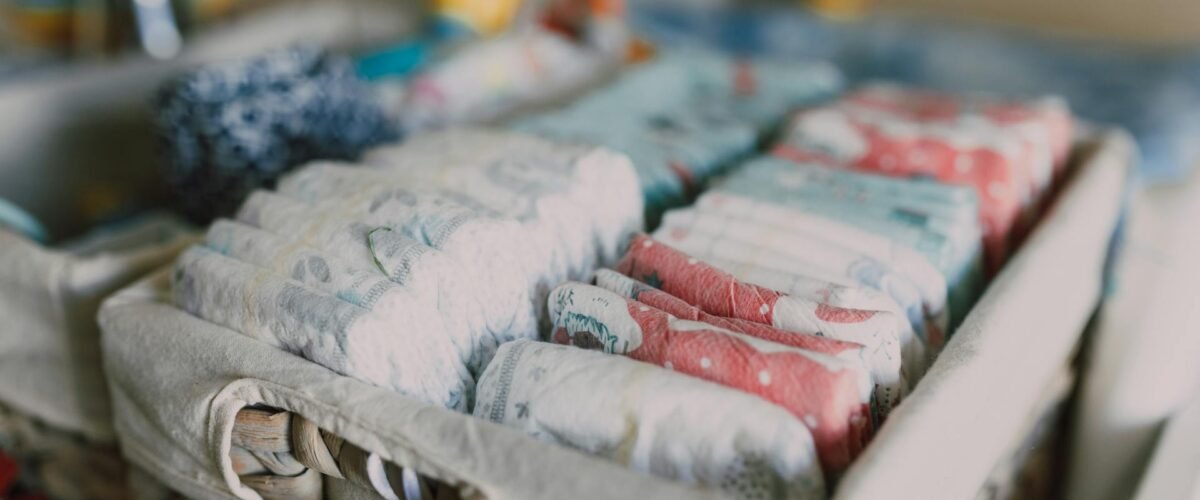
Reusable Nappies: The Honest Beginner’s Guide to Cost, Washing and Real Life
Reusable nappies sound brilliant in theory.
Buy a small collection once, stop filling the bin with disposable nappies and save hundreds of pounds while protecting the planet.
Then you begin researching them.
Suddenly, you are comparing pockets, prefolds, fitted nappies, wraps, boosters, liners, wet bags, washing routines and enough abbreviations to make changing a baby feel like a technical qualification.
The truth is simpler.
Reusable nappies can reduce waste and may cost less over the years your baby wears nappies. They also require a higher upfront spend, regular washing, drying space and a little trial and error before the fit becomes easy.
You do not have to use them full-time. You do not have to begin from birth. And using an occasional disposable does not cancel everything you achieved with cloth.
This honest UK guide explains how reusable nappies work, which types are available, how many you need, what they really cost, how to wash them and whether they are practical for your family.
The quick answer: Start with six to eight reusable nappies rather than buying a complete collection immediately. Test different styles, learn the correct fit and build a straightforward washing routine. Around 20 to 25 nappies may cover full-time newborn use when washing every other day, but part-time use is completely valid and often easier to maintain.
What Are Reusable Nappies?
Reusable nappies are washable nappies designed to be worn repeatedly rather than thrown away after one use.
They are also commonly called:
- Cloth nappies
- Washable nappies
- Real nappies
- Reusables
Most reusable nappies contain two essential parts:
- An absorbent section that holds urine
- A waterproof outer layer that helps prevent leaks
Some designs combine both parts into one nappy. Others use a separate absorbent nappy and waterproof wrap.
After a change, solids are removed where necessary, and the used nappy is stored before being washed, dried and used again.
The basic process is:
Use → store → wash → dry → reuse
The NHS guide to changing nappies confirms that washable cloth nappies can be machine-washed and advises following the manufacturer’s care instructions.
Reusable Nappies vs Disposable Nappies
Neither option makes someone a better parent.
The right choice depends on cost, time, access to washing facilities, drying space, childcare, your baby’s fit and the amount of extra work your household can realistically manage.
| Consideration | Reusable nappies | Disposable nappies |
|---|---|---|
| Upfront cost | Higher | Lower |
| Ongoing purchasing | Lower after building a collection | Regular repurchasing required |
| Laundry | Usually several washes each week | No nappy laundry |
| Household waste | Considerably less | Creates regular residual waste |
| Drying space | Required | Not required |
| Fit | May take experimentation | Usually familiar and straightforward |
| Travel | Requires storing used nappies | Easier to dispose of away from home |
| Night use | May need extra absorbency | High-capacity options widely available |
| Childcare | May require agreement and instructions | Usually accepted without discussion |
| Reuse | Can be used for another child or resold | Single use |
| Convenience | Depends on routine and setup | Generally more convenient |
Many families use both.
A hybrid approach might involve reusable nappies at home and disposables overnight, during travel or when laundry becomes difficult.
That is not failure.
It is a system designed around real life.
Types of Reusable Nappies Explained
The number of choices can make reusable nappies look more complicated than they are.
Most styles fit into the following groups.
All-in-One Reusable Nappies
An all-in-one has the absorbent layer and waterproof outer attached.
It usually goes onto the baby in a similar way to a disposable nappy.
Advantages
- Simple to understand
- Easy for childcare and relatives
- No separate wrap
- Few parts to assemble
- Familiar changing process
Disadvantages
- Often more expensive
- Can take longer to dry
- The whole nappy must be washed after every use
- Absorbency may still need boosting
All-in-one reusable nappies are convenient but may not be the cheapest or fastest-drying choice.
Pocket Nappies
A pocket nappy has a waterproof shell with an internal pocket. Absorbent inserts are placed inside the pocket before use.
Advantages
- Absorbency can be adjusted
- Often dries faster than an all-in-one
- Simple once assembled
- Easy for childcare when prepared in advance
- Inserts can be changed as your baby grows
Disadvantages
- Inserts normally need removing before washing
- Nappies must be assembled after drying
- Fit varies by brand and baby shape
- Additional inserts may be needed overnight
Pocket nappies are among the most common modern cloth nappies.
All-in-Two Nappies
An all-in-two system uses an absorbent insert that attaches to a reusable waterproof cover.
When the cover remains clean, you may be able to change only the absorbent section.
Advantages
- Less washing than some systems
- Covers dry quickly
- Absorbency can be customised
- Compact for storage and travel
Disadvantages
- More parts to understand
- The cover still needs changing when soiled
- Inserts and covers must be matched correctly
- May require preparation before changes
Two-Part Reusable Nappies
A two-part system uses a fully absorbent fitted nappy underneath a separate waterproof wrap.
Advantages
- High absorbency
- Often reliable overnight
- Good containment
- Absorbency covers the whole nappy area
- Wrap may be reused when clean
Disadvantages
- Two stages during each change
- Bulkier under clothing
- More washing than some insert systems
- Fitted nappies can take longer to dry
Two-part reusable nappies are often chosen for nights or heavy wetters.
Prefolds and Flat Nappies
Prefolds and flats are rectangular pieces of absorbent fabric used with a separate waterproof wrap.
Traditional terry squares belong in this broader category.
Advantages
- Usually lower upfront cost
- Fast drying
- Flexible absorbency
- Can fit a wide range of babies
- Useful as boosters, changing mats or cleaning cloths later
Disadvantages
- Require some folding
- Need a separate wrap
- May feel less intuitive initially
- Childcare providers may prefer preassembled nappies
Modern fasteners mean you do not need traditional safety pins.
One-Size and Sized Nappies
One-size nappies use rows of poppers or adjustable fastenings to fit babies across a broader weight range.
Sized nappies are purchased in stages, such as newborn, small, medium or large.
One-size reusable nappies may offer better long-term value, but they do not always fit a small newborn well.
Sized nappies can provide a more precise fit but require additional purchases as your baby grows.
17 Practical Steps for Starting Reusable Nappies
1. Begin With a Small Trial Collection
Do not buy 25 identical reusable nappies before your baby has worn one.
Start with approximately six to eight nappies in a mixture of styles.
This allows you to learn:
- Which shape fits your baby
- Which fastening you prefer
- What dries efficiently in your home
- Whether your washing routine is manageable
- Which design another caregiver finds easiest
- How much absorbency your baby needs
Real Nappies for London recommends starting with a small mixed collection before committing to a full set. Its newborn reusable-nappy guide suggests six to eight nappies as a practical trial amount.
A trial protects you from spending heavily on a system that looks perfect online but fits your baby poorly.
2. Decide Whether You Want Full-Time or Part-Time Use
You do not have to switch every change.
A part-time reusable-nappy routine might mean:
- One reusable nappy per day
- Cloth nappies only at home
- Reusables during daytime
- Reusables on non-childcare days
- Disposables overnight
- Cloth wipes with disposable nappies
- Reusables after the newborn stage
- Cloth at home and disposables while travelling
Part-time use reduces single-use waste while keeping the workload manageable.
Scottish Government research found that families who continued with reusable nappies often used them alongside disposables rather than exclusively. That is an important reality check for parents who feel they must commit perfectly or not begin at all.
3. Choose a System That Matches Your Priorities
Choose according to what matters most in your household.
Choose Simplicity When:
- Several caregivers will change the baby
- Your childcare provider is unfamiliar with cloth
- You dislike folding and assembling
- You want changes to resemble disposables
All-in-one or prepared pocket nappies may suit you.
Choose Fast Drying When:
- You have limited indoor drying space
- You do not own a tumble dryer
- Your home is damp
- You need nappies ready quickly
Prefolds, flats and separate covers may work better.
Choose Lower Upfront Cost When:
- Your budget is limited
- You are happy learning simple folds
- You want a system that can be reused in several ways
Prefolds or flat nappies with wraps are often worth considering.
Choose High Absorbency When:
- Your baby is a heavy wetter
- You need a reliable night setup
- Leaks are a recurring problem
A fitted two-part system with an appropriate booster may be useful.
The best reusable nappies are not the ones with the most attractive print.
They are the ones that fit your baby and survive your laundry routine.
4. Work Out How Many Reusable Nappies You Need
The number depends on:
- Your baby’s age
- Number of daily changes
- Full-time or part-time use
- Washing frequency
- Drying time
- Whether covers can be reused
- Whether you need childcare sets
- How many backups make you comfortable
A newborn may need considerably more changes than an older baby.
As a broad starting point:
| Usage | Approximate starting quantity |
|---|---|
| Trial or occasional use | 4–8 |
| Part-time daytime use | 8–12 |
| Mostly reusable | 15–20 |
| Full-time newborn use | Around 20–25 |
| Full-time with slower drying | 24–30 |
These are planning ranges rather than rules.
Real Nappies for London suggests around 20 to 25 reusable nappies for full-time newborn use when washing every other day.
Buy fewer initially and add more once you understand your system.
5. Learn the Correct Fit
Reusable nappies often sit differently from disposables.
A good fit should be:
- Snug around the legs
- Secure around the waist
- Low enough to avoid the umbilical area for a newborn
- Comfortable without deep pressure marks
- Free from visible gaps
- Tucked into the underwear line around the legs
Run a finger gently around the leg openings after fastening.
Check that:
- No absorbent fabric sticks outside the waterproof cover
- The leg elastic sits in the groin crease
- The waist is secure but not overly tight
- Clothing is not compressing the nappy
Leaks are often caused by fit rather than insufficient absorbency.
6. Use the Right Absorbency
The absorbent material inside reusable nappies may include:
- Cotton
- Bamboo
- Hemp
- Microfibre
- Blended fabrics
Each behaves differently.
Microfibre
- Absorbs quickly
- Dries quickly
- Can release liquid under pressure
- Should generally not sit directly against the skin unless designed for that use
Cotton
- Reliable
- Easy to wash
- Moderate drying time
- Widely available
Bamboo
- Highly absorbent
- Slimmer than some alternatives
- Slower to dry
Hemp
- Holds a large amount
- Absorbs more slowly
- Often used underneath a faster insert
- Slow to dry
A common approach is to place a fast-absorbing layer above a slower, higher-capacity booster.
Do not add endless inserts immediately.
Too much bulk can push the leg openings away from the body and cause leaks.
7. Understand Liners
A liner sits between the baby’s skin and the absorbent nappy.
Common options include:
- Reusable fleece liners
- Washable fabric liners
- Disposable liners
Liners may:
- Make poo easier to remove
- Help keep the skin feeling drier
- Protect the main nappy from some creams
- Simplify changes away from home
A liner does not add much absorbency unless it is specifically designed as an insert or booster.
Do not flush disposable nappy liners unless your water provider and the manufacturer clearly confirm they are suitable. Putting them in the bin is generally the safer approach for plumbing and wastewater systems.
8. Store Used Reusable Nappies Safely
Modern reusable nappies are usually stored dry rather than submerged in a bucket of water.
You may use:
- A ventilated nappy bucket
- A dry pail
- A hanging wet bag
- A zipped wet bag
- A washable bin liner
Before storing:
- Remove solids where appropriate
- Separate inserts when the manufacturer advises
- Close hook-and-loop laundry tabs
- Avoid sealing very wet nappies in a hot space for too long
- Keep the container out of children’s reach
You do not need to soak reusable nappies before washing.
The NHS advises checking the nappy manufacturer’s instructions and confirms that soaking is not required.
9. Build a Simple Reusable-Nappy Washing Routine
Your reusable nappy washing routine should remove urine, faeces, detergent and bacteria without damaging the waterproof layers or elastic.
Always prioritise the manufacturer’s instructions because fabrics and components differ.
A common routine is:
- Remove solids.
- Separate inserts and fasten laundry tabs.
- Run a rinse or short wash to remove excess waste.
- Complete a full main wash using suitable detergent.
- Ensure the machine has enough items for proper agitation.
- Add an extra rinse only when needed for your water, machine or detergent.
- Dry everything fully before storage.
The NHS states that cloth nappies can be machine-washed at 60°C and that nappies soiled with poo should be washed separately from other laundry.
Some manufacturers permit 40°C for lightly soiled items and recommend 60°C for heavier soiling, illness or younger babies. Follow the care label and current product guidance.
Do not rely on a quick wash designed for lightly worn clothing.
Nappies are heavily soiled laundry and need a complete wash cycle.
10. Use Enough Detergent—But Not Fabric Conditioner
Reusable nappies need enough detergent for:
- Load size
- Water hardness
- Soil level
- Machine capacity
- Detergent concentration
Too little detergent can leave urine and faecal residue.
Too much detergent combined with poor rinsing may leave buildup.
The NHS states that there is no evidence that biological washing powder automatically irritates a baby’s skin. However, individual manufacturers may give specific detergent instructions.
Do not use fabric conditioner on reusable nappies.
Fabric conditioner coats absorbent fibres, reducing absorbency and potentially contributing to leaks and skin irritation.
Avoid routinely adding household cleaning products, disinfectants, essential oils or homemade detergent mixtures unless the manufacturer specifically approves them.
11. Dry Reusable Nappies Efficiently
Drying is one of the biggest practical differences between nappy systems.
Possible methods include:
- Outdoor line drying
- Indoor airer
- Heated airer used according to product guidance
- Dehumidifier
- Tumble drying on a permitted setting
- Combination drying
Waterproof covers and pocket shells often dry quickly.
Bamboo, hemp and thick fitted nappies may take considerably longer.
Oxfordshire County Council recommends air-drying where possible because frequent tumble drying increases energy use and can shorten the life of reusable nappies. Its reusable-nappy care guidance also notes that washing and drying choices affect environmental performance.
Do not place waterproof nappies directly on very hot radiators unless their instructions permit it. Excessive heat can damage elastic and waterproof coatings.
12. Deal With Poo Without Panicking
Before your baby starts solid food, breastfed poo is usually water-soluble and can generally go directly into the wash, subject to the nappy manufacturer’s guidance.
Formula-fed and mixed-fed poo may be more formed and may need removing.
After starting solids:
- Tip solid poo into the toilet
- Use a liner
- Scrape gently with toilet paper
- Use an approved nappy sprayer carefully
- Store the nappy until washing
You do not need to scrub every stain by hand immediately.
A stain does not always mean the nappy remains dirty after a proper wash.
Sunlight can help fade some staining, although nappies still need to be cleaned thoroughly first.
Continue on MyBoo: When and How to Start Weaning: A Complete Guide to First Foods
13. Troubleshoot Leaks Systematically
When reusable nappies leak, check one factor at a time.
Fit Problems
Look for:
- Gaps around the legs
- Absorbent fabric sticking outside the cover
- The rise adjusted too loosely
- The waist fastened incorrectly
- Clothing pulling the nappy away from the body
Absorbency Problems
The nappy may:
- Be completely saturated
- Need changing sooner
- Need one additional booster
- Need a different material combination
- Need a dedicated night system
Compression Leaks
Liquid may be pushed out when:
- Microfibre is heavily compressed
- Tight clothing presses against the nappy
- A car-seat strap applies pressure
- Too many inserts distort the fit
Washing Problems
Reduced absorbency may result from:
- Fabric conditioner
- Excessive cream buildup
- Incorrect detergent
- Poor washing
- Detergent residue
- Mineral buildup in hard-water areas
Do not immediately assume reusable nappies are incompatible with your baby.
Most leak problems come from fit, absorbency, timing or washing.
14. Manage Nappy Rash Properly
Reusable nappies do not guarantee that a baby will avoid nappy rash.
Disposable nappies do not automatically cause it either.
Nappy rash is influenced by:
- Time in contact with urine or poo
- Change frequency
- Friction
- Fit
- Skin sensitivity
- Diarrhoea
- Antibiotics
- Thrush
- Fragranced products
- Detergent residue
The NHS nappy-rash guidance recommends changing wet or dirty nappies promptly, keeping the skin clean and dry, allowing nappy-free time and making sure nappies fit correctly.
If using a thick barrier cream, check the reusable-nappy instructions.
Some parents use a liner to reduce cream transfer onto the absorbent fabric.
Speak to a pharmacist, health visitor or GP when the rash:
- Does not improve
- Becomes worse
- Spreads
- Blisters
- Appears infected
- Causes significant discomfort
- Comes with a high temperature
15. Create a Night-Time Setup
Some babies need more absorbency overnight.
Possible reusable-nappy night systems include:
- Fitted nappy with waterproof wrap
- Pocket nappy with additional boosters
- Cotton plus hemp
- Bamboo plus a fast-absorbing insert
- Dedicated night nappy
Avoid adding so much absorbency that the fit becomes loose around the legs.
Check:
- Whether the nappy is saturated in the morning
- Where the leak occurs
- Whether clothing compresses the nappy
- Whether the wrap fully covers the absorbent layer
- Whether your baby needs a change overnight
Using a disposable overnight while using reusable nappies during the day is a completely reasonable arrangement.
Your system should protect sleep rather than turn every night into absorbency research.
Continue on MyBoo: The Complete Newborn Sleep Guide: Wake Windows, Routines and What Actually Works
16. Prepare Reusable Nappies for Childcare and Travel
A childcare provider may be more willing to use reusable nappies when the process is simple.
Send:
- Fully assembled nappies
- One nappy per expected change plus spares
- Liners already fitted
- A clearly labelled wet bag
- Simple written instructions
- Any approved barrier cream
- A disposable backup when helpful
Ask about the nursery or childminder’s policy before assuming they will accept cloth.
For trips outside:
- Pack clean assembled nappies
- Bring a waterproof wet bag
- Carry spare clothes
- Include liners
- Bring a changing mat
- Store used nappies securely
- Empty the wet bag when you return
A used nappy does not need to be washed immediately while you are outside.
It needs to be contained safely until you reach home.
Continue on MyBoo: How to Get Out of the House With a Baby: The No-Stress Guide
17. Look for Nappy Libraries and Council Support
Before purchasing a complete set, search for:
- Local reusable-nappy libraries
- Council vouchers
- Cashback schemes
- Trial packs
- Community demonstrations
- Laundry services
- Second-hand bundles
- Parent groups
Scottish Government research identified libraries, trial kits, vouchers, grants and laundry services as common ways families are supported to try reusable nappies.
A nappy library lets you test different styles before committing to the upfront cost.
Local schemes change, so check your council’s current waste-reduction or family-support pages rather than assuming a historic offer remains available.
What Do Reusable Nappies Really Cost?
There is no honest universal figure.
The total cost depends on:
- Nappy style
- Number purchased
- New or second-hand
- Full-time or part-time use
- Inserts and boosters
- Wet bags and storage
- Detergent
- Water
- Electricity
- Drying method
- Local grants
- Whether they are used for another child
- Resale value
A basic prefold-and-wrap system can cost far less than a full collection of premium all-in-one nappies.
A practical starter budget might cover:
- Six to eight trial nappies
- One wet bag
- Basic liners
- A small number of boosters
After testing, calculate the cost of completing the collection you actually prefer.
A Simple Cost Comparison
Use this calculation:
Disposable cost
Average cost per disposable nappy
× average daily changes
× number of days used
Reusable cost
Nappies and accessories
- washing costs
- detergent
- replacement items
− council support
− resale value
Do not forget that disposable prices and change frequency vary by size, retailer and age.
The NHS notes that washable nappies can work out cheaper over the years a child wears nappies, but the actual saving depends on how they are purchased and managed.
When Reusable Nappies Save the Most
Savings are more likely when you:
- Choose a lower-cost system
- Buy part of the collection second-hand
- Receive a council voucher
- Avoid buying more than you need
- Wash full loads
- Air-dry frequently
- Reuse the collection for another child
- Sell or pass nappies on afterwards
- Use cloth wipes as well
When the Savings Shrink
The financial advantage may become smaller when you:
- Buy a large premium collection
- Continuously replace styles
- Tumble-dry every load
- Run underfilled washing machines
- Use a paid laundry service
- Buy large numbers of accessories
- Stop after a short period
- Experience high local energy or water costs
Reusable nappies can save money.
They are not automatically the cheapest choice in every household.
Are Reusable Nappies Better for the Environment?
Reusable nappies substantially reduce the number of single-use nappies placed in household waste.
WRAP estimates that one baby may use approximately 4,000 to 6,000 disposable nappies before potty training, compared with a much smaller working collection of washable nappies. Read its overview of reusable-nappy waste prevention.
However, reusable nappies are not impact-free.
Their environmental footprint includes:
- Raw materials
- Manufacturing
- Packaging
- Transport
- Water
- Detergent
- Electricity
- Drying
- Product lifespan
A UK life-cycle assessment found that environmental results depend heavily on how reusable nappies are washed and dried.
The environmental advantage generally improves when you:
- Wash full loads
- Avoid unnecessary very hot cycles
- Air-dry where practical
- Minimise tumble-dryer use
- Use the collection for longer
- Reuse it for another child
- Buy second-hand
- Pass it on afterwards
The useful question is not whether reusable nappies have zero impact.
They do not.
The question is whether your reusable system can avoid repeated single-use production and disposal while being washed efficiently.
The Honest Time Commitment
A reusable-nappy routine adds work.
That work may include:
- Removing poo
- Emptying wet bags
- Running washes
- Hanging nappies
- Bringing them in
- Reassembling pocket nappies
- Folding prefolds
- Checking boosters
- Packing childcare sets
- Troubleshooting leaks
Once established, the routine may feel ordinary.
But it is still labour.
A realistic week might involve:
- Two to four nappy washes
- Several drying sessions
- Ten to twenty minutes assembling clean nappies
- Regular storage and organisation
The workload depends on your collection size and washing frequency.
The best way to decide whether reusable nappies are realistic is to ask:
- Who will manage the washing?
- Where will nappies dry?
- What happens during illness?
- What happens when the household is exhausted?
- Will both caregivers use them?
- Will childcare cooperate?
- Is there a disposable backup?
Do not make one parent responsible for the entire environmental commitment while everyone else enjoys the savings.
Reusable Nappies for Newborns
You can use reusable nappies from birth, but you do not have to.
Newborn considerations include:
- Frequent changes
- Meconium
- Umbilical cord care
- Small legs
- Rapid growth
- Sleep deprivation
- Recovery after birth
- Additional laundry
One-size reusable nappies may look very bulky or leave leg gaps on a smaller newborn.
Newborn-sized prefolds, fitted nappies or wraps may provide a better early fit.
You could:
- Begin immediately
- Use one or two per day
- Wait until the cord separates
- Wait until one-size nappies fit
- Begin after the first few weeks
- Use disposables until family life feels more manageable
The best starting date is the one your household can sustain.
Continue on MyBoo: The Only Newborn Essentials List You Actually Need
Can You Buy Reusable Nappies Second-Hand?
Yes. Pre-owned reusable nappies can significantly reduce the upfront cost and extend the product’s useful life.
Before buying, inspect:
- Waterproof lining
- Elastic
- Poppers
- Hook-and-loop fastenings
- Staining
- Smell
- Inserts
- Delamination
- Cracks
- Missing components
- Care history
Ask:
- How old are they?
- How were they washed?
- Were they regularly tumble-dried?
- Are all inserts included?
- Do the elastics still recover?
- Has the waterproof layer separated?
- Why are they being sold?
Wash second-hand reusable nappies thoroughly according to the manufacturer’s sanitising guidance before use.
A permanent smell, damaged waterproof layer or completely relaxed elastic may make the bundle poor value even when the purchase price is low.
Continue on MyBoo: Buying Second-Hand Baby Gear: What Is Safe and What to Avoid
Reusable Wipes: The Easiest First Step
If reusable nappies feel too complicated, reusable wipes may be an easier entry point.
You need:
- Soft washable cloths
- Water
- A clean storage container or dry stack
- A wet bag for used wipes
Reusable wipes can be:
- Used with cloth nappies
- Used with disposable nappies
- Washed with nappy laundry
- Used later for hands and faces
- Made from existing soft fabric
Avoid soaking wipes for long periods in homemade solutions that may irritate the skin or become contaminated.
Plain water is enough for many changes.
The NHS recommends cleaning the nappy area with water or fragrance-free, alcohol-free wipes.
Common Reusable-Nappy Mistakes
Buying a Complete Collection Too Soon
Your preferred nappy may not suit your baby’s body shape, your washing machine or your drying space.
Test first.
Assuming Every Leak Needs More Absorbency
Check fit before adding boosters.
A bulky, distorted nappy may leak more.
Using Fabric Conditioner
Fabric conditioner reduces absorbency by coating the fibres.
Using Only a Quick Wash
Reusable nappies are heavily soiled items and usually need a proper main cycle.
Washing With Too Little Detergent
Insufficient cleaning can lead to smell, ammonia and irritation.
Overloading With Detergent
Too much detergent without adequate rinsing may also create buildup.
Ignoring Water Hardness
Hard and soft water can affect detergent requirements and mineral buildup.
Follow detergent and manufacturer guidance appropriate to your area.
Expecting One Nappy to Fit Every Stage Perfectly
Your baby’s body changes.
A nappy that worked at four months may need different adjustments or absorbency at ten months.
Making Reusable Nappies One Parent’s Job
A sustainable product is not sustainable for your family when one person manages every wash, insert and leak alone.
Treating Disposables as Failure
Disposables can be useful during:
- Illness
- Travel
- Childcare
- Laundry breakdowns
- Night-time
- Major life changes
- Periods of exhaustion
Flexibility can help you continue using cloth for longer.
Who Might Find Reusable Nappies Difficult?
Reusable nappies may be harder when:
- You do not have reliable washing facilities
- You have very limited drying space
- Energy or water costs are a major concern
- Your housing has serious damp
- You use shared laundry facilities
- You are managing severe exhaustion
- Your baby has frequent diarrhoea
- Several caregivers refuse to use them
- You travel constantly
- You have no practical support
That does not mean you cannot use any.
You may choose:
- Reusable wipes only
- One cloth nappy per day
- Weekend use
- Daytime use
- A laundry service
- A trial later in the baby stage
Environmental choices should not be used to shame parents whose housing, health, disability, income or workload makes a particular option difficult.
Reusable Nappies FAQs
Are Reusable Nappies Worth It?
Reusable nappies may be worth it when you want to reduce waste, can manage the laundry and choose a system that suits your budget and home.
They may be less practical when washing access or drying space is limited.
Part-time use can offer many of the benefits without requiring a full switch.
How Many Reusable Nappies Do I Need?
Approximately six to eight nappies are enough for a trial.
Around 20 to 25 may cover full-time newborn use when washing every other day. You may need more when drying is slow.
How Often Do You Wash Reusable Nappies?
Many families wash every two or three days.
The ideal frequency depends on the number of nappies, storage system, baby’s age and manufacturer guidance.
Avoid leaving heavily soiled nappies unwashed for extended periods.
What Temperature Should Reusable Nappies Be Washed At?
Follow the manufacturer’s instructions.
The NHS states that cloth nappies can be machine-washed at 60°C. Some products permit 40°C for lightly soiled loads and recommend 60°C in other circumstances.
Can You Wash Reusable Nappies With Other Clothes?
The NHS advises washing nappies containing poo separately from other washing.
After an initial rinse or wash, some systems allow clean small items to be added to create adequate machine agitation. Follow the manufacturer’s guidance.
Do Reusable Nappies Need Soaking?
Usually not.
Modern reusable nappies are commonly stored dry before washing. The NHS confirms that soaking is not required.
Can You Use Biological Washing Powder?
The NHS states that there is no evidence that biological washing powder automatically irritates a baby’s skin.
Follow the care instructions for your particular nappies and detergent.
Can You Use Fabric Conditioner?
No.
Fabric conditioner can coat the fibres, reduce absorbency and contribute to leaks.
Do Reusable Nappies Cause Nappy Rash?
Any nappy can contribute to irritation when it remains wet or soiled for too long, rubs the skin or fits poorly.
Frequent changes, proper washing, good fit and keeping the skin clean and dry matter more than the reusable or disposable label alone.
Can Reusable Nappies Be Used Overnight?
Yes.
Many families use a fitted nappy and waterproof wrap or add suitable boosters.
Some continue using a disposable at night. Both approaches are valid.
Can Nurseries Use Reusable Nappies?
Many nurseries and childminders will use them, but policies vary.
Send assembled nappies, simple instructions and a labelled wet bag.
Are Reusable Nappies Bulky?
They are often bulkier than disposables.
You may need clothing with more room around the nappy area or to size up certain trousers and bodysuits.
Do Reusable Nappies Smell?
A properly washed and fully dried nappy should not retain a strong urine or ammonia smell.
Persistent smell may indicate inadequate cleaning, detergent buildup, mineral buildup or nappies being stored too long before washing.
Are Reusable Nappies Cheaper?
They can be cheaper over the full nappy period, especially when bought carefully, air-dried and reused for another child.
Premium collections, heavy tumble-dryer use and short-term use reduce the potential saving.
Are Reusable Nappies Better for the Environment?
They reduce disposable waste and can have a lower environmental impact when washed efficiently, air-dried and used for a long time.
Their environmental performance depends significantly on laundering and product lifespan.
Can I Use Reusable Nappies Part-Time?
Yes.
Part-time use is one of the easiest ways to begin and may be more sustainable for your household than attempting a perfect full-time switch and giving up.
Can I Use Nappy Cream With Reusable Nappies?
Usually, but thick creams can transfer onto fabric and reduce absorbency.
Follow your nappy manufacturer’s guidance and use a suitable liner when advised.
When Should I Start Using Reusable Nappies?
You can begin from birth, after the umbilical cord separates, when one-size nappies fit or whenever your household feels ready.
There is no deadline.
A Final Word From MyBoo
Reusable nappies do not have to become a lifestyle identity.
They are nappies that go in the washing machine instead of the bin.
They can reduce waste.
They may save money.
They can also leak, create extra laundry and test your patience while you learn the fit.
The most successful approach is rarely the most extreme one.
Start with a few.
Try different styles.
Use them during the easiest part of your day.
Build a routine that another caregiver can understand.
Keep disposable backups without guilt.
Then increase your use only when the system genuinely makes sense.
Using one reusable nappy is better than avoiding them completely because full-time cloth feels impossible.
Your family does not need to do sustainability perfectly.
It needs a system that survives real life.
Continue with MyBoo: Buying Second-Hand Baby Gear: What Is Safe and What to Avoid
Unsure which style fits your washing, drying and childcare routine? Ask Boo, MyBoo’s 24/7 parenting guide to create a realistic reusable-nappy starter plan.


💬 Join the conversation