

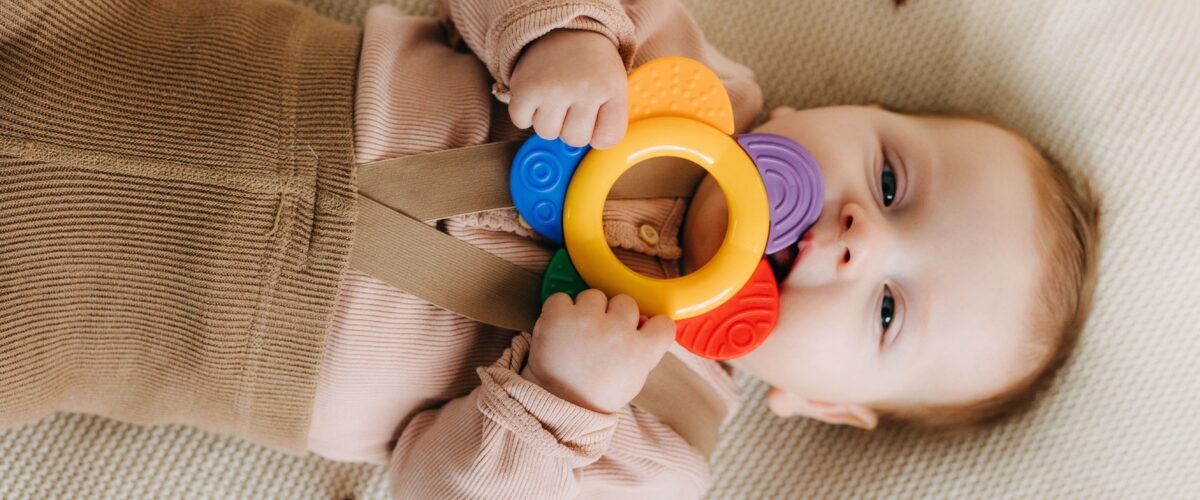
Baby Teething Symptoms: 13 Signs, Safe Relief and What Is Not Teething
Baby teething symptoms can be confusing because they often look like normal baby behaviour.
Your baby is dribbling more than usual. They are chewing everything. They are waking more, refusing feeds, rubbing their face and becoming clingier than usual.
Naturally, you wonder:
Is this teething?
Or is my baby unwell?
The honest answer is that teething can cause discomfort, sore gums, extra dribbling, chewing and unsettled behaviour. But teething is also blamed for many symptoms it does not usually explain, including high fever, persistent diarrhoea, repeated vomiting, breathing changes or a baby who seems seriously unwell.
This guide explains the most common baby teething symptoms, how to soothe teething safely, what to avoid and when symptoms are more likely to need medical advice.
The quick answer: Common baby teething symptoms include sore red gums, dribbling, chewing, flushed cheeks, irritability, disturbed sleep and wanting more comfort. Teething may cause mild discomfort, but it should not cause a high fever, breathing problems, repeated vomiting, severe diarrhoea, dehydration or a baby who is unusually sleepy or difficult to wake.
This article provides general UK guidance. Contact your GP, health visitor, pharmacist or NHS 111 if you are worried about your baby’s health.
What Is Teething?
Teething is the process of your baby’s teeth moving through the gums.
Some babies show very few signs. Others become noticeably unsettled for a few days before a tooth appears.
The NHS explains that baby teeth can sometimes come through with no pain or only mild symptoms lasting a few days. At other times, parents may notice sore gums, dribbling, flushed cheeks, irritability and chewing. Read the official NHS guide to baby teething symptoms for current guidance.
Your baby will eventually have 20 milk teeth, but they do not all arrive at once. Teeth usually come through gradually across babyhood and toddlerhood.
When Do Babies Start Teething?
Many babies get their first tooth at around six months, but this varies.
Some babies show signs earlier. Some do not get their first visible tooth until later. A baby who chews at three months is not necessarily about to cut a tooth, because mouthing is also a normal part of development.
Do not worry if your baby’s teeth do not appear exactly when another baby’s do.
Development varies, and teething is not a race.
Continue on MyBoo: Baby Milestones Month by Month: What to Expect in the First Year
Baby Teething Symptoms at a Glance
Here are the most common baby teething symptoms parents notice:
| Symptom | Could be teething? | Needs caution when… |
|---|---|---|
| Sore red gums | Yes | There is swelling, pus or bleeding |
| Extra dribbling | Yes | Skin becomes cracked, infected or very sore |
| Chewing and biting | Yes | Baby chews unsafe objects |
| Flushed cheek | Yes | Baby has a high temperature or seems unwell |
| Irritability | Yes | Crying is constant or unusual |
| Disturbed sleep | Yes | Baby has illness signs |
| Reduced appetite | Sometimes | Baby refuses feeds or has fewer wet nappies |
| Ear rubbing | Sometimes | There is fever, discharge or severe pain |
| Mild temperature | Sometimes | Temperature reaches fever thresholds |
| Nappy changes | Not usually directly | Diarrhoea is persistent or severe |
| Wanting more comfort | Yes | Baby is hard to wake or unusually floppy |
| Visible tooth bump | Yes | Gum looks infected |
| More biting while feeding | Yes | Feeding becomes consistently painful or difficult |
Use the table as a guide, not a diagnosis.
A baby can be teething and unwell at the same time.
13 Baby Teething Symptoms Parents Should Know
1. Sore, Red or Swollen Gums
One of the clearest baby teething symptoms is a sore or red area on the gum where a tooth is trying to come through.
You may notice:
- A raised bump
- Redness on the gum
- Slight swelling
- Your baby chewing more on one side
- Discomfort when the area is touched
- A tiny white edge where the tooth is emerging
Some babies tolerate this well. Others become more unsettled.
You can gently rub the gum with a clean finger if your baby allows it.
Do not press hard, scrape the gum or try to “help” the tooth through.
2. Extra Dribbling
Dribbling is one of the classic baby teething symptoms, but it can also happen because babies are still learning to control saliva.
Extra dribble can irritate the skin around the chin, cheeks, neck and chest.
To help:
- Gently pat the skin dry
- Change wet bibs or clothing
- Use soft, absorbent bibs
- Apply a simple barrier cream when needed
- Avoid harsh wiping
Do not assume every period of dribbling means a tooth is coming immediately. Some babies dribble for weeks before anything appears.
3. Chewing Everything
A teething baby may chew fingers, toys, bibs, cot rails, spoons, your shoulder or anything else that reaches their mouth.
Chewing can create pressure on the gums and may provide relief.
Offer safe options such as:
- A clean teething ring
- A baby-safe chew toy
- A cool, damp clean cloth under supervision
- A chilled teething ring from the fridge
The NHS recommends teething rings as a safe item to chew and advises following the manufacturer’s instructions. Read the NHS tips for helping a teething baby for safe relief options.
Do not give small, hard or breakable objects that could become choking hazards.
4. One Flushed Cheek
Some babies develop one flushed cheek while teething.
This can happen on the side where the tooth is moving through.
However, flushed cheeks can also appear when a baby is warm, upset, unwell or reacting to irritation.
Check your baby’s overall condition:
- Are they feeding?
- Are wet nappies normal?
- Are they alert?
- Is their temperature normal?
- Does their cry sound familiar?
- Are there any rashes or breathing changes?
A flushed cheek alone may fit teething. A flushed cheek with fever, poor feeding or unusual behaviour deserves more attention.
5. Irritability and Clinginess
Teething can make a baby more irritable.
You may notice:
- More crying
- Shorter patience
- Wanting to be held
- Fussing during play
- Becoming harder to settle
- Needing more comfort than usual
This is one of the more frustrating baby teething symptoms because it overlaps with tiredness, developmental changes, hunger and overstimulation.
Try comfort first:
- Cuddles
- Distraction
- Gentle play
- A walk outside
- A cool teething ring
- A calm environment
If the crying feels different from normal, is constant, or your baby seems unwell, do not assume it is only teething.
Continue on MyBoo: Why Is My Baby Crying? A Practical Guide to Decoding the Cues
6. Disturbed Sleep
Teething discomfort may make sleep harder for some babies.
Your baby may:
- Wake more often
- Need extra comfort
- Struggle to settle
- Cry when lying down
- Wake shortly after being placed in the cot
However, sleep changes are not always caused by teeth.
They can also happen because of:
- Developmental milestones
- Separation anxiety
- Hunger
- Illness
- Overtiredness
- Reflux
- Changes in routine
- Normal sleep regressions
Keep the sleep setup safe and simple.
Do not add teething toys, muslins, necklaces, pillows or comforters to a baby’s cot as a teething shortcut.
Continue on MyBoo: Sleep Regressions: What They Are, When They Hit and How to Survive Them
7. Reduced Appetite
A baby with sore gums may become fussier during feeds or solids.
They may:
- Start a feed then pull away
- Bite or chew more
- Seem distracted
- Prefer shorter feeds
- Refuse some foods temporarily
- Want more comfort feeding
Offer feeds responsively and watch for dehydration.
For babies who have started solids, cooler soft foods may feel more comfortable, depending on age and readiness.
If your baby is younger than around six months or has not started solids, do not offer food as a teething remedy.
Continue on MyBoo: When and How to Start Weaning: A Complete Guide to First Foods
Seek advice if your baby is refusing feeds, has fewer wet nappies, seems unusually sleepy or is not behaving normally.
8. Biting During Feeding
A teething baby may bite during breast or bottle feeds.
This can be uncomfortable and upsetting.
Possible reasons include:
- Sore gums
- Experimenting with new pressure
- Slower milk flow
- Distraction
- Finishing a feed
- Wanting to chew rather than feed
For breastfeeding, check positioning and look for signs your baby is no longer actively feeding.
For bottle feeding, make sure the teat flow is still suitable and your baby is not being encouraged to keep feeding after they are full.
If biting becomes frequent, painful or feeding feels stressful, ask a midwife, health visitor or feeding specialist for support.
Continue on MyBoo: Breastfeeding vs Formula: An Honest, Judgment-Free Guide
9. Ear Rubbing or Cheek Rubbing
Some babies rub their ears, cheeks or face when teething.
Pain from the gums can sometimes feel like it spreads around the jaw and ear area.
However, ear rubbing can also happen because of:
- Tiredness
- Ear infection
- Itching
- Habit
- Sensory exploration
- General discomfort
Contact a GP or NHS 111 if ear rubbing comes with:
- Fever
- Fluid from the ear
- Strong distress
- Poor feeding
- Unusual sleepiness
- Baby seeming very unwell
- Symptoms that do not improve
Do not assume every ear symptom is teething.
10. Mild Temperature Changes
Teething may be associated with a mild increase in temperature, but a true fever should not automatically be blamed on teething.
The NHS says to ask for urgent advice if a baby under three months has a temperature of 38°C or higher, or if a baby aged three to six months has a temperature of 39°C or higher. Read the NHS guide on fever in children for current thresholds.
A fever may indicate infection or another illness.
Teething should not cause:
- A high fever
- A fever lasting several days
- A baby who is difficult to wake
- A rash with fever
- Breathing problems
- Signs of dehydration
When temperature concerns appear alongside baby teething symptoms, treat the temperature seriously.
11. More Night Waking
Parents often notice baby teething symptoms more at night because there are fewer distractions.
Your baby may seem manageable during the day but wake upset at night.
This does not always mean teething pain is severe. It may mean that lying still makes discomfort more noticeable, or that your baby wants extra comfort.
Keep night care calm:
- Offer comfort
- Check temperature
- Check the nappy
- Offer feeds when needed
- Use pain relief only when appropriate
- Return your baby to a safe sleep space
Do not use unsafe sleep products to “help teething sleep”.
Continue on MyBoo: Baby Sleep Routine: 15 Gentle Steps That Actually Work
12. A Tooth Visible Under the Gum
Sometimes the clearest sign is visible.
You may see:
- A small white line
- A raised gum ridge
- A tiny tooth edge
- A swollen area where the tooth is emerging
Once the tooth appears, discomfort may improve.
Start toothbrushing as soon as the first tooth comes through.
The NHS advises using a baby toothbrush with a tiny smear of fluoride toothpaste once the first milk tooth breaks through. Read the NHS guide to looking after your baby’s teeth.
13. Temporary Changes in Mood and Routine
Some babies become more unsettled for a few days around tooth eruption.
You may notice:
- More clinginess
- More chewing
- Shorter naps
- More dribble
- More comfort feeding
- Less interest in solids
- More frustration
These baby teething symptoms should usually remain mild to moderate.
If the whole baby seems different—very sleepy, limp, persistently distressed, not feeding, breathing differently or not producing normal wet nappies—seek medical advice.
What Is Not Usually Caused by Teething?
Teething is commonly blamed for too many things.
Do not assume teething is the cause of:
- High fever
- Persistent diarrhoea
- Repeated vomiting
- Severe rash
- Breathing changes
- A baby who is difficult to wake
- Fewer wet nappies
- Refusing feeds repeatedly
- Blood in stool or vomit
- Constant inconsolable crying
- Seizure
- Blue, grey, pale or mottled colour
- A rash that does not fade under pressure
These symptoms need medical attention.
The NHS guide on taking your baby’s temperature explains when to call NHS 111 or ask for an urgent GP appointment.
A baby can be teething and have an infection at the same time.
That is why it is important not to dismiss illness signs as “just teeth”.
Safe Teething Relief That Can Help
The safest teething remedies are simple.
Use a Teething Ring
A clean teething ring gives your baby something safe to chew.
You can cool some teething rings in the fridge, but never freeze them unless the manufacturer clearly says it is safe.
A frozen teether can become too hard and may hurt your baby’s gums.
Always check for:
- Cracks
- Leaks
- Loose parts
- Wear
- Age suitability
- Cleaning instructions
Supervise your baby while using teething toys.
Massage the Gums With a Clean Finger
Wash your hands first.
Then gently rub the sore area of the gum.
This can provide pressure and comfort.
Stop if your baby becomes more upset or bites hard enough to make it difficult.
Offer Comfort and Distraction
Comfort is not a weak teething remedy.
Cuddles, play, songs, fresh air and a calm environment can help distract your baby from mild discomfort.
The NHS includes comforting and distracting your baby among helpful approaches for teething.
Use Suitable Foods Only When Your Baby Is Ready
If your baby has started solids and can safely manage finger foods, chilled soft foods may feel soothing.
Examples may include age-appropriate pieces of:
- Cucumber
- Soft fruit
- Yoghurt
- Chilled purée
- Toast fingers, depending on stage and readiness
Always supervise eating.
Do not offer hard foods that can snap into choking hazards.
Do not give foods before your baby is developmentally ready for weaning.
Consider Pain Relief When Needed
If your baby is clearly in pain, sugar-free pain-relief medicine may be appropriate.
The NHS says paracetamol can be used for teething symptoms in babies and children aged two months or older, while ibuprofen can be used from three months. Always follow the medicine instructions and ask a pharmacist, GP or health visitor if unsure.
Do not give aspirin to children under 16.
Pain relief should be used according to the label, age, weight and medical suitability.
Ask a Pharmacist Before Using Teething Gels
Some parents consider teething gels.
If you use one, it should be:
- Suitable for babies
- Sugar-free
- Age-appropriate
- Used according to the instructions
- Discussed with a pharmacist when unsure
Do not use adult oral gels on babies.
Some NHS-connected guidance notes that adult gels can be harmful and that there is limited evidence that teething gels and powders make a meaningful difference. Read the Just One Norfolk NHS teething guidance before choosing gels, powders or jewellery.
Teething Remedies to Avoid
Amber Teething Necklaces, Bracelets and Anklets
Avoid amber teething jewellery.
It can create choking and strangulation risks.
The HSE warns that amber teething jewellery is not safe for young children and can cause choking or strangulation. Read its amber teething jewellery safety guidance.
Jewellery should never be placed around a baby’s neck, wrist or ankle as a teething remedy.
Frozen Teethers
Cold can help, but frozen teethers may become too hard.
Use the fridge rather than the freezer unless the product instructions specifically say otherwise.
Hard Foods That Can Break
Avoid giving hard foods that could snap into chunks, especially for babies who are not ready to chew safely.
Examples to avoid include large hard raw carrot sticks and hard biscuits marketed as teething solutions.
Teething Powders Without Advice
Do not assume teething powders are harmless because they are sold over the counter.
Ask a pharmacist before using any teething product, especially for a young baby.
Alcohol, Honey or Sugar on the Gums
Never rub alcohol, honey or sugar onto a baby’s gums.
Honey is not suitable for babies under one year, and sugar increases tooth-decay risk.
Putting Teething Toys in the Cot
Do not leave teething toys in your baby’s sleep space.
A teether is for supervised awake use only.
For sleep, keep the cot clear.
Teething and Sleep: What Helps at Night?
Teething nights can be difficult because everybody is tired.
Try:
- Offering comfort
- Checking the nappy
- Checking temperature
- Keeping lights low
- Offering a feed when needed
- Using a suitable pain relief medicine if appropriate
- Returning your baby to a safe sleep space
- Keeping the cot clear
Avoid:
- Necklaces
- Loose comforters
- Teething toys in the cot
- Sleep positioners
- Pods
- Pillows
- Extra bedding
- Adult pain gels
- Unapproved remedies
If sleep disruption continues for weeks, teething may not be the only reason.
Continue on MyBoo: The Complete Newborn Sleep Guide: Wake Windows, Routines and What Actually Works
Teething and Feeding
A teething baby may feed differently for a few days.
They may want:
- Shorter feeds
- More frequent comfort
- A pause during feeds
- A teething toy before feeding
- Cooler foods if weaned
- Extra reassurance
Watch for feeding red flags:
- Repeated refusal of milk
- Fewer wet nappies
- Dry mouth
- No tears when crying
- Unusual sleepiness
- Weight concerns
- Forceful vomiting
- Baby seeming very unwell
Do not repeatedly change formula, bottles or feeding methods without advice when the main issue may be short-term gum discomfort.
Continue on MyBoo: Colic, Reflux or Just Wind? How to Tell the Difference
How to Look After Baby’s First Teeth
Teething is not only about pain relief. It is also the beginning of dental care.
Start brushing as soon as the first tooth appears.
The NHS advises:
- Use a baby toothbrush
- Use a tiny smear of fluoride toothpaste
- Brush as part of the daily routine
- Register your baby with a dentist when teeth start coming through
The NHS also recommends brushing children’s teeth twice daily for about two minutes with fluoride toothpaste, including last thing at night and one other time. Read the NHS guide to children’s teeth.
Baby Toothbrushing Tips
Try:
- Sitting your baby on your knee
- Resting their head against your chest
- Using a tiny smear of toothpaste
- Letting them see you brush your teeth
- Keeping the routine short and calm
- Brushing last thing at night
- Treating early brushing as habit-building
Do not worry if brushing is not perfect at first.
The aim is to make brushing familiar before your baby becomes a toddler with strong opinions.
When to Call a GP, Pharmacist or NHS 111
Seek medical advice when your baby:
- Has a temperature of 38°C or higher and is under three months
- Has a temperature of 39°C or higher and is three to six months
- Has a high temperature lasting several days
- Has a rash with fever
- Is feeding much less than usual
- Has fewer wet nappies
- Is repeatedly vomiting
- Has persistent diarrhoea
- Seems unusually sleepy or difficult to wake
- Has breathing changes
- Has a cry that sounds different from normal
- Appears in significant pain
- Has swelling, pus or bleeding in the mouth
- Has symptoms that worry you
Call 999 if your baby is struggling to breathe, becomes unresponsive, has a seizure, develops blue or grey colouring, or has a rash that does not fade under pressure.
Trust your instincts.
A list of baby teething symptoms should never override your sense that something is wrong.
Baby Teething Symptoms FAQs
What Are the First Baby Teething Symptoms?
The first baby teething symptoms may include dribbling, chewing, sore red gums, flushed cheeks, irritability and wanting more comfort.
Some babies have very few symptoms before a tooth appears.
When Do Babies Usually Start Teething?
Many babies get their first tooth at around six months, but it can happen earlier or later.
Chewing and dribbling at three or four months do not always mean a tooth is about to appear.
Can Teething Cause a Fever?
Teething may be linked with a mild temperature rise, but a true fever should not automatically be blamed on teething.
Seek urgent advice if your baby is under three months with a temperature of 38°C or higher, or three to six months with a temperature of 39°C or higher.
Can Teething Cause Diarrhoea?
Teething is often blamed for loose stools, but persistent or severe diarrhoea should not be dismissed as teething.
Watch hydration, feeding and wet nappies, and seek advice if concerned.
Can Teething Make My Baby Refuse Milk?
Sore gums may make feeding fussier for a short time.
Repeated refusal of milk, fewer wet nappies or a baby who seems unwell needs medical advice.
What Is the Safest Teething Remedy?
Safe options include a clean teething ring, gentle gum massage with a clean finger, comfort, distraction and appropriate pain relief when needed.
Ask a pharmacist before using gels or powders.
Can I Put Teething Toys in the Cot?
No.
Teething toys are for supervised awake use only. Keep the cot clear for sleep.
Are Amber Teething Necklaces Safe?
No.
Amber necklaces, bracelets and anklets can create choking and strangulation risks and should not be used as teething remedies.
Should I Use Teething Gel?
Ask a pharmacist first.
Only use products designed for babies and follow the instructions. Do not use adult oral gels on babies.
Can I Give My Baby Paracetamol for Teething?
Paracetamol may be suitable for babies aged two months or older when used according to instructions.
Ask a pharmacist, GP or health visitor if you are unsure about age, weight, dosage or medical suitability.
Can I Give My Baby Ibuprofen for Teething?
Ibuprofen may be suitable from three months for some babies when used according to instructions.
Check the label and ask a pharmacist or GP if your baby has medical conditions, dehydration, chickenpox or other concerns.
Do Babies Sleep Worse When Teething?
Some babies wake more during teething.
However, sleep disruption can also come from development, illness, hunger, separation anxiety or routine changes.
When Should I Start Brushing Baby Teeth?
Start brushing as soon as the first tooth appears.
Use a baby toothbrush and a tiny smear of fluoride toothpaste.
Do I Need to Register My Baby With a Dentist?
Yes. Register your baby with a dentist when their teeth start coming through.
You do not need to wait until there is a problem.
How Long Do Baby Teething Symptoms Last?
Symptoms may last a few days around the time a tooth comes through, although dribbling and chewing can continue for longer.
Persistent severe symptoms should be checked.
A Final Word From MyBoo
Baby teething symptoms can make parents doubt everything.
One day your baby is cheerful. The next, they are chewing your finger, waking more, dribbling through bibs and rejecting food they liked yesterday.
Teething can be uncomfortable.
It can disrupt sleep.
It can make feeding and settling harder for a short time.
But teething should not become the explanation for every worrying symptom.
Use safe comfort measures.
Offer a clean teething ring.
Massage the gums gently.
Use appropriate pain relief when needed.
Start brushing when the first tooth appears.
And seek medical advice when your baby has a high temperature, poor feeding, fewer wet nappies, breathing changes, persistent vomiting, severe diarrhoea or behaviour that feels wrong to you.
The safest approach is simple:
Comfort the teething baby.
Check the whole baby.
And never let “it is probably teeth” stop you asking for help when your instincts say something is not right.
Continue with MyBoo: Why Is My Baby Crying? A Practical Guide to Decoding the Cues
Still unsure whether it is teething, wind, tiredness or something else? Ask Boo, MyBoo’s 24/7 parenting guide for general guidance, and contact your GP, pharmacist, health visitor or NHS 111 for medical concerns.




💬 Join the conversation